
The REO Playbook workshop comes to the Bear Team office July 23
Foreclosure activity is rising again, Florida is at the front of it, and most Orlando agents have never worked a distressed file in their careers. On Wednesday, July 23 from 5:30–6:30 PM, the Bear Team office is hosting The REO Playbook — a free, in-person workshop led by Tom Songer on where the hidden inventory is in 2026 and how to position yourself before it becomes obvious to everyone else.
The numbers coming at Florida
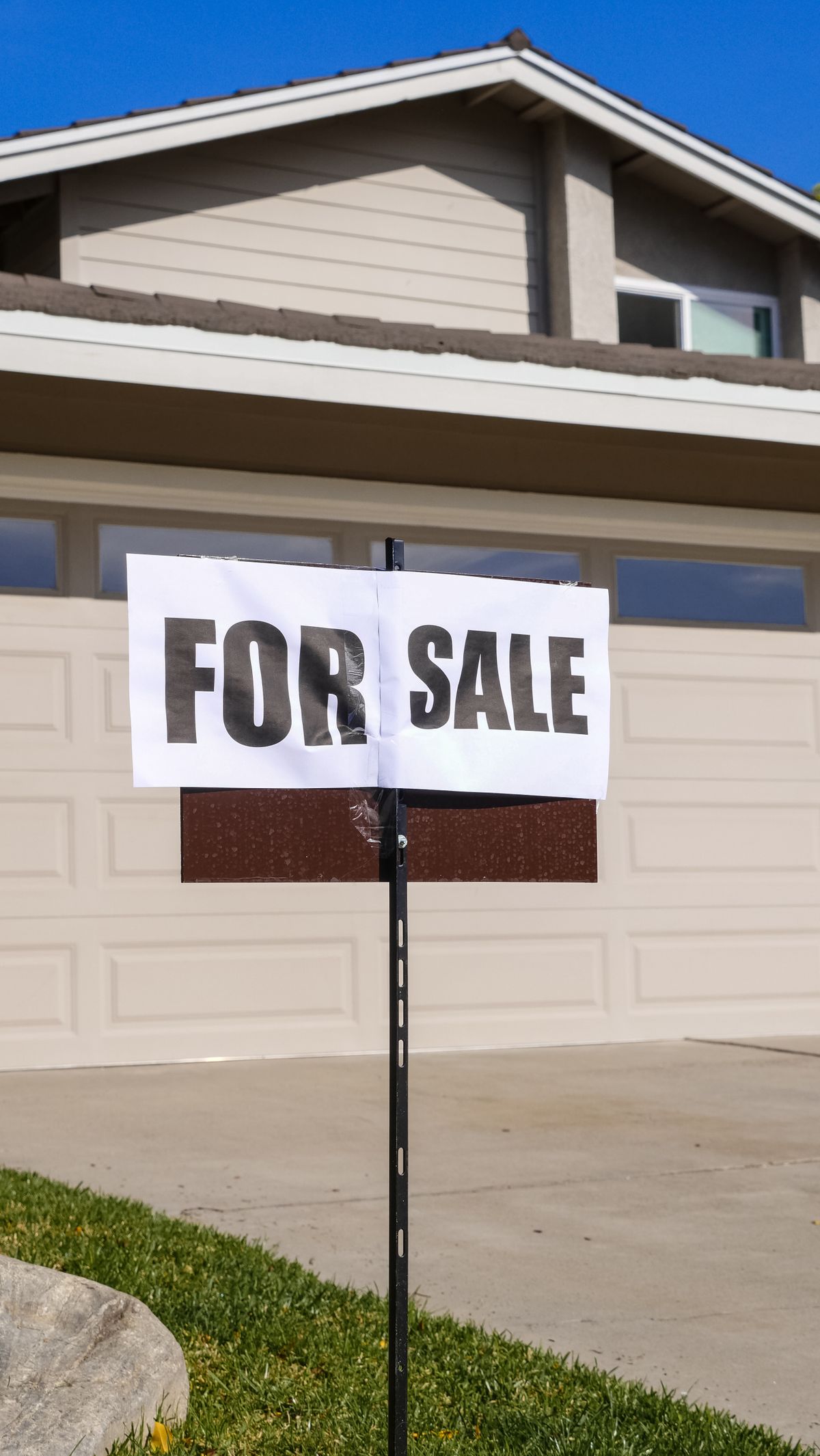
This isn't hype — it's in the filings. ATTOM's Q1 2026 foreclosure market report counted 118,727 U.S. properties with a foreclosure filing — up 26% from a year earlier. Foreclosure starts rose 20% to 82,631, and completed bank repossessions — actual REOs — jumped 45% year over year to 14,020 properties nationwide.
Florida is carrying more than its share. The state posted 13,683 filings in Q1 — one in every 750 housing units — the third-worst foreclosure rate in the country. And the REO pipeline specifically is what should get your attention: Florida lenders took back 1,014 properties in Q1 2026, more than double the 487 from Q1 2025. By May, ATTOM had Florida with the worst foreclosure rate of any state — one filing for every 2,110 housing units, with 3,315 new foreclosure starts in that month alone.
Orlando is not watching from a distance. In the May report our metro ranked fifth-worst among large U.S. metros, with one filing for every 2,034 housing units. To keep it honest: total volumes are still well below the 2008–2010 peaks, and nobody at this workshop will tell you a crash is scheduled. What the data shows is a steady, compounding climb — starts up, repossessions up sharply, Florida leading — and climbs like this reward the agents who built their systems before the inventory hit the market.
Why this wave looks different — and why Florida is first
If you worked (or watched) the 2008 cycle, resist the urge to pattern-match. That wave was built on bad loans; today's borrowers are, on average, better qualified and sitting on more equity. What's squeezing Florida homeowners in 2026 is the cost of keeping the home rather than the loan itself: property insurance premiums that have doubled or worse for many owners, HOA dues and condo special assessments climbing under the state's post-Surfside structural-reserve requirements, and property taxes riding years of price appreciation. Layer in investors who bought at 2021–2022 prices with short-term-rental income projections that never materialized, and you get a distinctly Florida-shaped pipeline of distress.
The other difference is equity. Because many of these owners still have value in the property, a larger share of this cycle resolves before the courthouse steps — pre-foreclosure sales, short-notice traditional listings, investor purchases, subject-to arrangements. That is exactly why agents who understand the whole distressed timeline, not just the REO end of it, will capture business that never shows up on a foreclosure list at all. It's also why the skills are worth learning even if the wave crests smaller than the numbers suggest: every scenario above is still a client who needs a capable agent this year.
Why learn this from Tom Songer
REO is one of the few corners of real estate where scar tissue matters more than theory, and Tom Songer earned his through the biggest distressed cycle in modern history. Tom is a 7-time WSJ / RealTrends Top 100 agent, ranked in the top .01% of Coldwell Banker agents worldwide for more than a decade, and led the #1 Coldwell Banker office in 2010 — the heart of the foreclosure era. Through the 2006–2010 market he ran operations moving 120+ homes a month, part of a career total of 7,000+ homes sold and billions in volume. Today he serves as Team Lead at Bear Team Real Estate, where he runs agent development through BearTeam Academy.
That matters because the REO business is won on process, not charm. Asset managers don't hire the agent with the best headshot; they hire the agent whose files close on time, whose reports come back accurate, and whose properties don't generate phone calls. Tom built and ran that machine at scale. This workshop is him showing Orlando agents what the machine looks like — and what it takes to be trusted with the inventory.
What we'll cover: what to look for
The first hour of opportunity in a distressed cycle happens before a property is ever branded “REO.” Tom will walk through the early signals agents should be reading right now:
- The pre-foreclosure pipeline — how a file moves from missed payments to lis pendens to auction to bank ownership in Florida's judicial process, and where agents can add value at each stage.
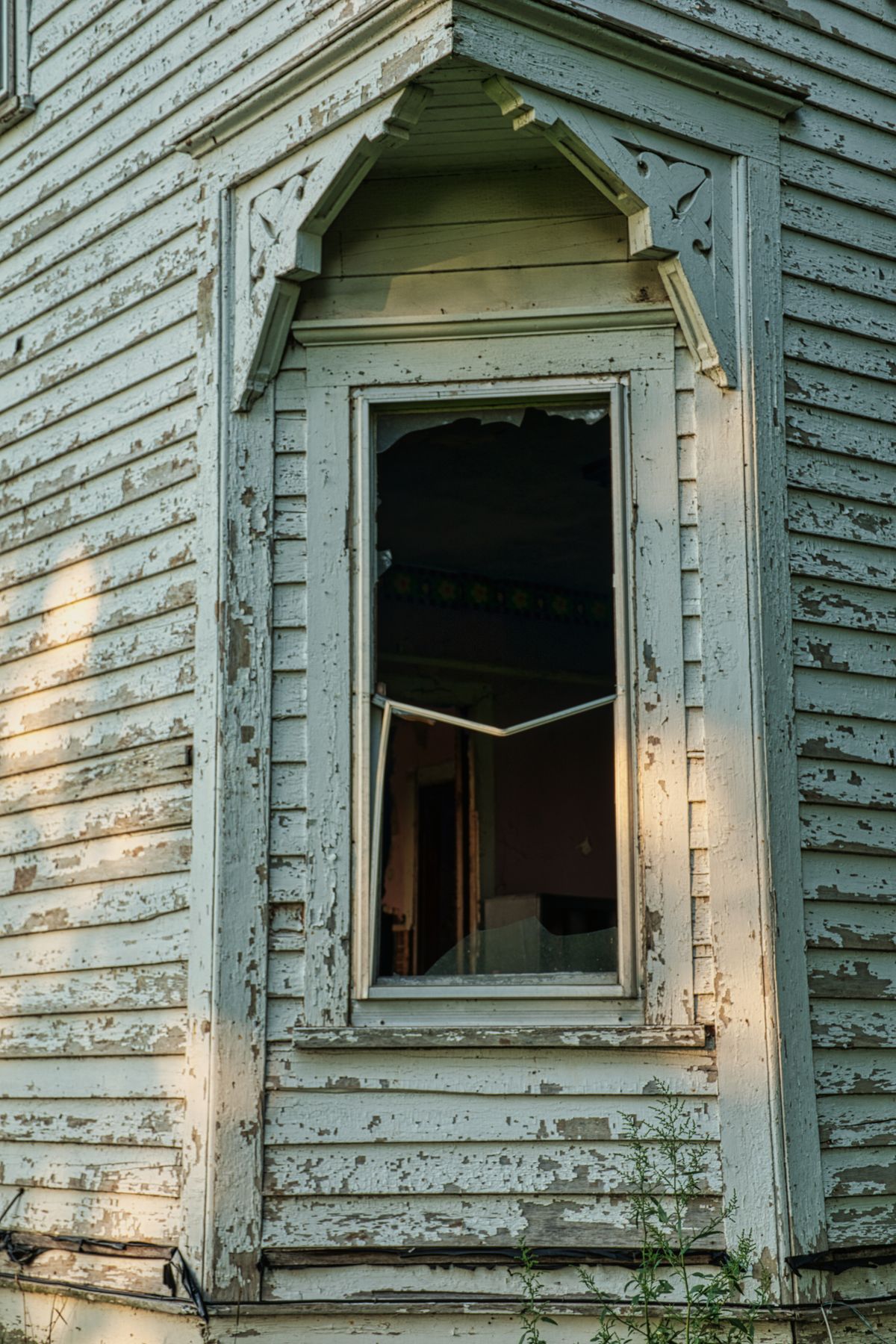
- Neighborhood-level signals — deferred maintenance, utility shutoffs, code violations, and vacancy patterns that show up months before a filing does.
- Which product is actually coming — why this cycle's distressed inventory (insurance-cost casualties, over-leveraged investors, condo special assessments) looks different from 2008's, and what that means for where it will surface first.
- Reading the data — which public numbers matter, which are noise, and how to track your own farm area instead of waiting for headlines.

How to implement — building the machine
Spotting distress is the easy half. The session's core is operational: what an agent's business has to look like before asset managers, servicers, and institutional sellers will hand them inventory. Tom will cover the categories — without giving away the whole playbook, which is what the in-person session is for:
- Getting on the lists — the registration, certification, and relationship groundwork that determines who even gets considered for assignments.
- BPO readiness — why broker price opinions are the front door to REO relationships and what separates a BPO that wins repeat business from one that gets you quietly dropped.
- The operations bench — the contractor, preservation, and inspection relationships you need lined up before your first assignment, not after.
- Compliance and file discipline — distressed transactions carry more moving parts and more liability; the agents who last are the ones whose paperwork is boring.
Technology spotlight: PropertyOnion
Strong systems need strong data, and the workshop includes a practical technology demonstration featuring PropertyOnion. PropertyOnion specializes in Florida foreclosure and tax-deed auction data, property research, title information, and due-diligence tools. For working agents, that means the ability to identify distressed inventory before it becomes a traditional REO listing — surfacing pre-foreclosure filings, auction calendars, and title red flags from your desk instead of the courthouse steps. You'll see how it fits into a daily prospecting workflow, not just a demo reel.
How to prepare for the wave
Even if you never list a bank-owned property, the skills transfer. Agents who understand distress win expired listings, help underwater sellers exit with dignity, guide investors credibly, and protect buyers walking into as-is purchases. Tom will close with a preparation checklist you can start on the next morning: the education worth paying for (and the certifications that aren't), how to build a cash-buyer bench, and how to position your existing sphere so that when a distressed situation touches someone they know, you're the call.
Who should be in the room
This session was built for three kinds of agents. First, producers who remember the last cycle and want to dust off the machinery with current data, current vendors, and current asset-manager expectations — a lot has changed since 2010, starting with where the inventory gets sourced. Second, agents licensed after 2012 who have never seen a distressed market and don't want their first REO education to happen mid-transaction with a client's money on the line. Third, investor-focused and team-building agents who see the same numbers everyone else does and want a disciplined, ethical way to act on them.
It's worth saying plainly: working distress is a responsibility as much as an opportunity. Behind most of these files is a family under real pressure, and the agents who build lasting REO careers are the ones who treat occupants with dignity, follow fair-housing law to the letter, and give sellers honest options — including the ones that don't pay a commission. That standard is part of the playbook too, and it's non-negotiable at Bear Team.
Bring questions. The format is deliberately small — a working session at our office on Crystal Lake Drive, not a hotel-ballroom pitch. You'll leave with notes you can act on Thursday morning, a clear picture of what the Florida numbers actually say, and a look at the tools — including the PropertyOnion demonstration — that turn headlines into a prospecting list.
Details and RSVP
- What: The REO Playbook — Where the Hidden Inventory Is in 2026
- When: Wednesday, July 23 · 5:30–6:30 PM
- Where: Bear Team Real Estate office, 2300 S Crystal Lake Dr, Orlando, FL 32806
- Cost: Free · open to licensed agents at any brokerage
- RSVP: Seats are limited — reserve your spot here or see the events page.
You don't need to be a Bear Team agent to attend, and nobody will corner you about switching brokerages. Come for the market intelligence, meet the team, and leave with a clearer picture of the next eighteen months than most agents in this market will have.
Foreclosure statistics cited from ATTOM's Q1 2026 and May 2026 U.S. Foreclosure Market Reports. Market conditions change; figures reflect the most recent reports available at publication. This article is general market information, not legal, investment, or financial advice.
Want the playbook, not just the preview?
RSVP for July 23, or book 15 minutes with Tom Songer to talk about where your business fits in the 2026 market.